
01
Academic status
- M.Phil graduates
- 912
- M.Phil enrolled
- 99
- Ph.D graduates
- 281
- Ph.D enrolled
- 117
About CEMB
The Centre of Excellence in Molecular Biology, University of the Punjab, is one of Pakistan’s leading institutes for research, education and innovation — advancing human health, agriculture and biotechnology since 1985.
 1985Established
 11+Research Laboratories
 1,371Research Publications
 281Ph.D Produced
 912M.Phil Produced
 52Patents
 3,266.68Impact Factor
CEMB in numbers
Reported cumulative information from 1986 through 16 July 2026.
Institutional information supplied for the CEMB website, updated 11 September 2026.
Our story
From two student laboratories to a connected research campus, CEMB’s journey has been shaped by scientific ambition and national need.
Prof. Ahmed Iqbal Bukhari of Cold Spring Harbor Laboratories and Prof. Dr. Sheikh Riazuddin held the founding discussions that shaped CEMB’s mission.
On 1 November 1981, the University of the Punjab officially announced the establishment of CEMB to meet Pakistan’s growing need for advanced research in health, agriculture and biotechnology.
CEMB began its journey in two student laboratories of the Department of Zoology at the Quaid-e-Azam Campus, guided by Vice Chancellor Prof. Khairat Ibne Rasa and Prof. Abdul Rauf Shakoori.
Construction began on the current campus near Thokar Niaz Baig; scientific staff moved into the new premises by 1992–93.
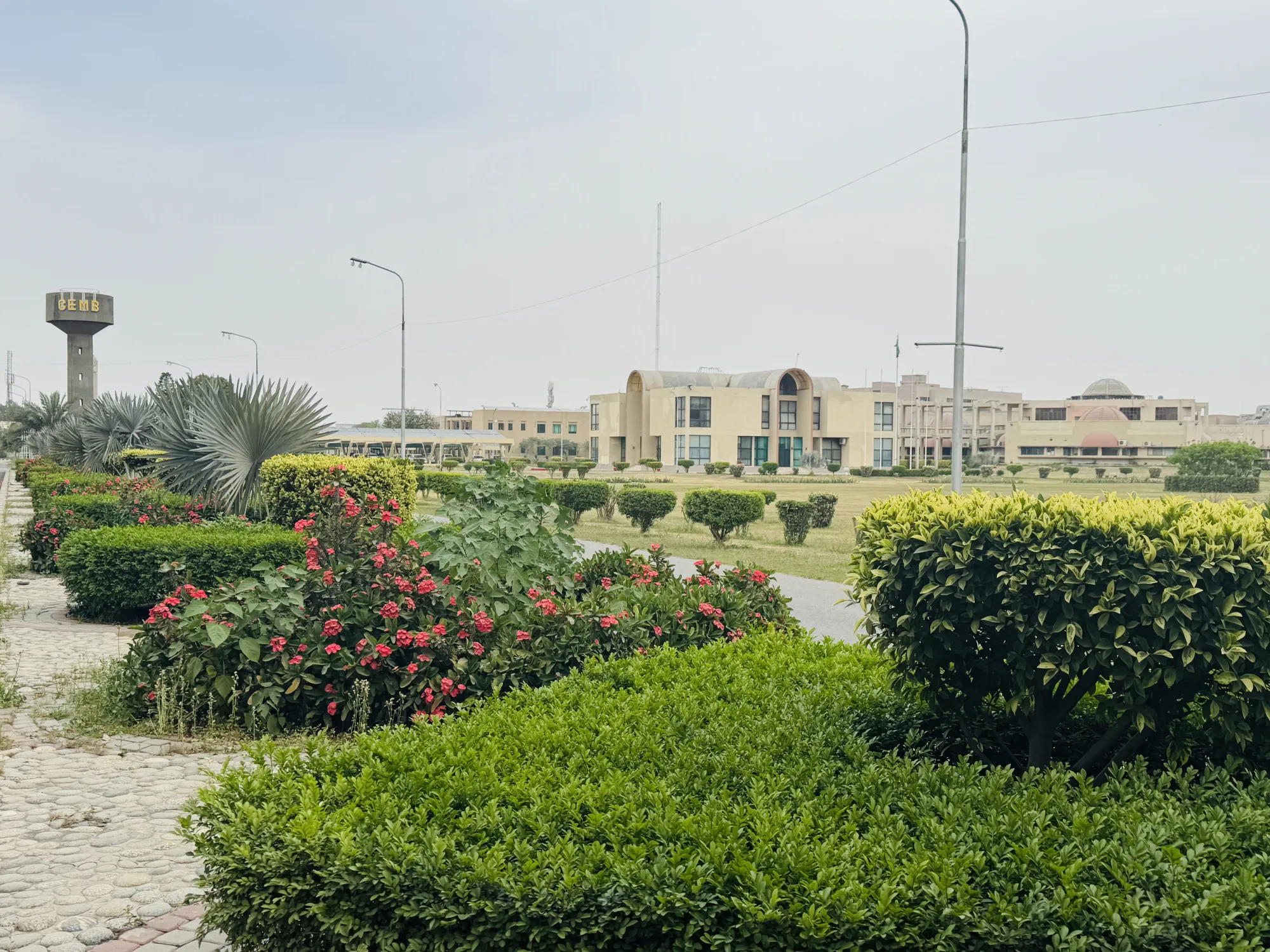
CEMB now brings together advanced laboratories, greenhouses, an animal house, the Genomics and Stem Cell Centres, a guest house and hostels on one integrated campus.
Shaped by world-class scientists. Nobel laureates and renowned scientists — including J.D. Watson, Richard J. Roberts, Larry Grossman, Tomas Lindahl and Thomas Friedman — helped shape CEMB’s early scientific vision.
Our campus
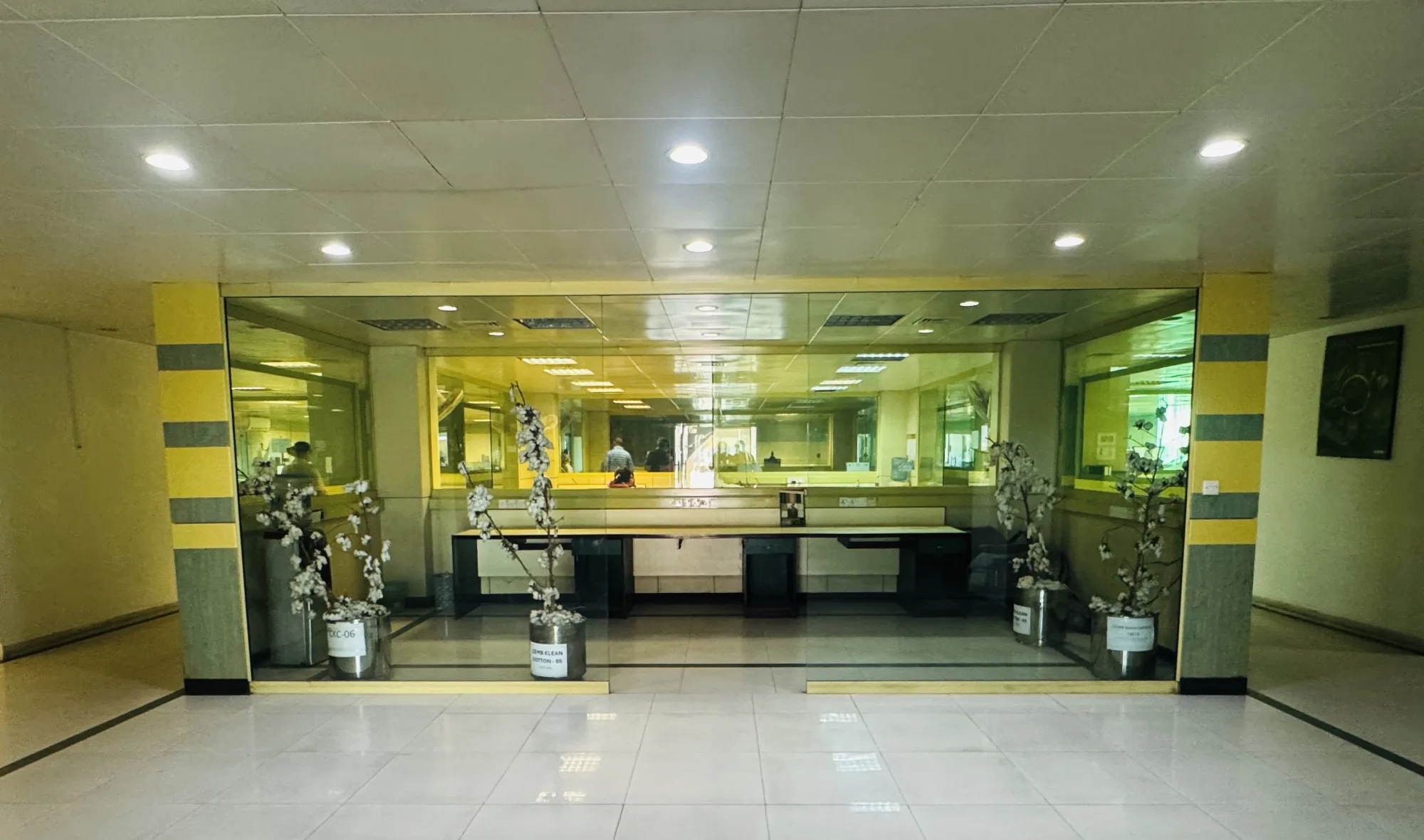
The CEMB campus houses state-of-the-art research and teaching facilities, including advanced laboratories, greenhouses, an animal house, a guest house and hostels.
What drives us
Five commitments guide CEMB’s research, education and national contribution.
Advance knowledge in human health, crop improvement and biotechnology through cutting-edge, mission-driven research.
Promote higher education and capacity building through internationally aligned M.Phil and Ph.D programmes, short courses and internships.
Develop and commercialise indigenous biotechnological products, from transgenic cotton to cloned therapeutic proteins and molecular diagnostics.
Foster national and international collaborations that connect CEMB with leading institutions and researchers worldwide.
Provide state-of-the-art research infrastructure, maintaining modern laboratories that support excellence in research and education.
Leadership & governance
Read messages from CEMB’s founding and current leadership, and meet the boards providing institutional oversight.
The CEMB campus
A closer look at the laboratories and shared spaces behind CEMB’s research.
Connect with CEMB