
Four double-gene and five triple-gene cotton varieties approved by the Punjab Seed Council for general cultivation
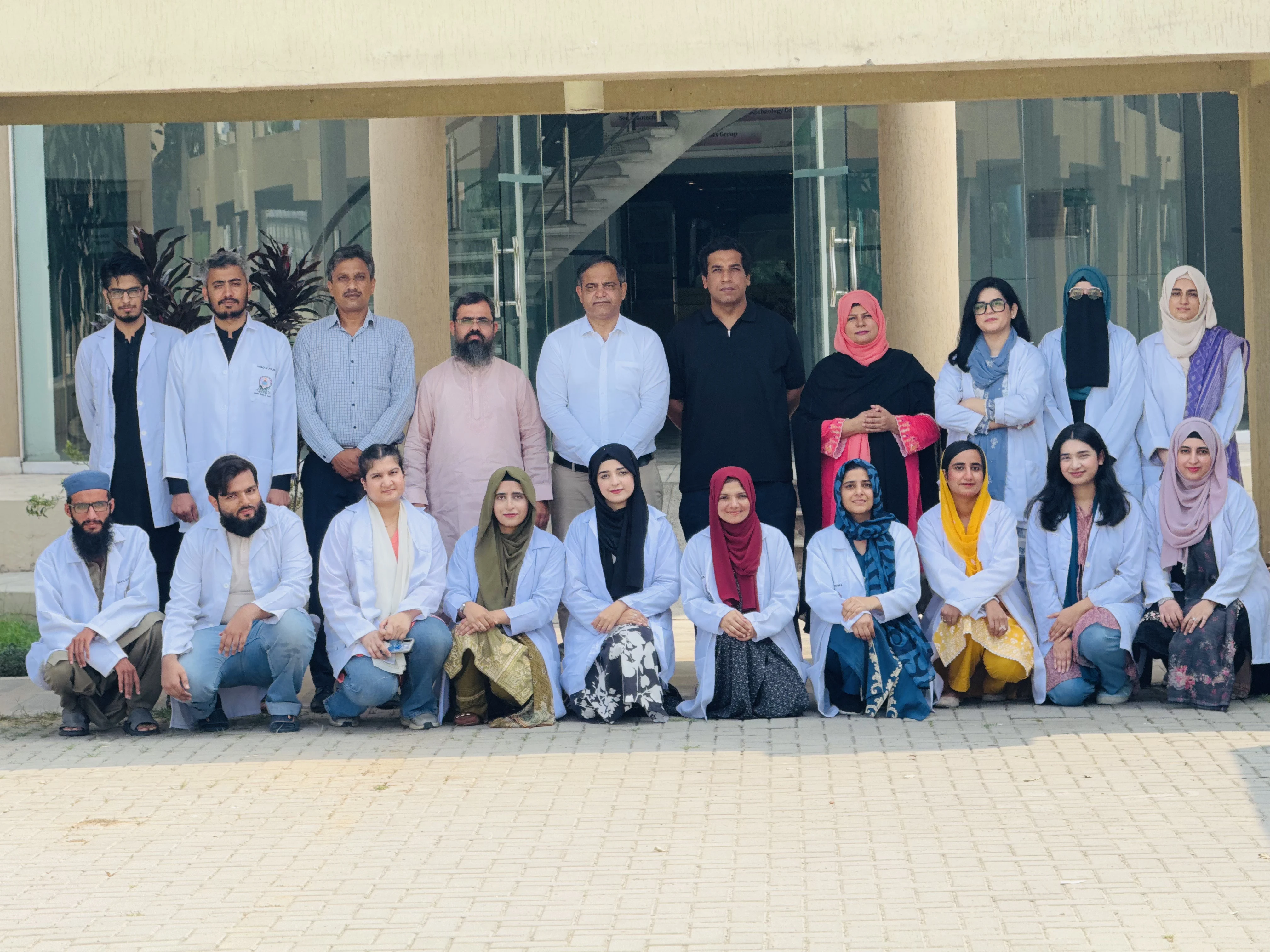
Research laboratory
Seed Biotechnology
The lab improves and commercialises economically important crops — cotton, corn, sugarcane, potato and soybean — engineering insect, herbicide and virus resistance and exploring plant metabolic engineering.
Research with field impact
From molecular insight to seed in the farmer’s hand.
Research spans transgenic trait engineering in cotton, maize, sugarcane, soybean and canola; RNA interference and CRISPR-Cas9 for biotic stress tolerance; virus-free seed potato production; and an emerging programme in plant metabolic engineering and synthetic biology to understand secondary metabolite pathways such as gossypol and steroidal glycoalkaloids. The lab is also a government-designated facility for commercial GMO detection and DNA fingerprinting services.
Transgenic crop traitsRNAi & genome editingSeed technology & GMO testing
- 9
- approved cotton varieties
- 13
- current research scholars
- 5
- active funded projects
- 10+
- years of virus-free seed potato delivery
Research programme
Four routes to stronger crop systems.
The group connects molecular design, controlled validation, field evaluation and regulatory translation in one integrated programme.
- 01
Insect & herbicide resistant crops
Engineered Bt and herbicide-tolerant traits commercialised in cotton, corn and sugarcane, including CEMB's approved double- and triple-gene cotton varieties.
- 02
RNAi & CRISPR biopesticides
RNA interference and CRISPR-Cas9 approaches to breed biotic stress-tolerant crops and dsRNA-based biopesticides.
- 03
Transgenic maize & legumes
Local Bt and herbicide-tolerant maize hybrids, plus insect- and herbicide-resistant soybean and canola under development.
- 04
Seed technology & GMO testing
Virus-free seed potato production, synthetic seed protocols, and designated commercial DNA/RNA/protein-based GMO detection services.
Translation & outcomes
Biotechnology built to leave the laboratory.
Commercial varieties, regulatory testing, field-ready crop lines and scalable propagation systems.
Designated by national regulatory authorities for commercial DNA-, RNA- and protein-based GMO detection and crop-variety fingerprinting
Developed insect- and herbicide-resistant maize lines for hybrid breeding under Pakistan Biosafety Rules 2005
Developed insect- and herbicide-resistant sugarcane lines with promising sugar recovery
Established reproducible, cost-effective tissue culture and transformation protocols for sugarcane, maize, soybean and canola
Developed Fusarium resistance in highly susceptible Gladiolus cultivars
Established protocols for mass production of pre-basic virus-free seed potato, marketed by M/s AGB Seeds Pvt Limited for over 10 years
Developed synthetic seed production protocols for carrot, cucumber and potato
Conducted insect-pest bioassays and field evaluation of in-house Bt and Mycorrhiza-based biopesticides for cotton, tomato, cauliflower, okra and rice
Research group
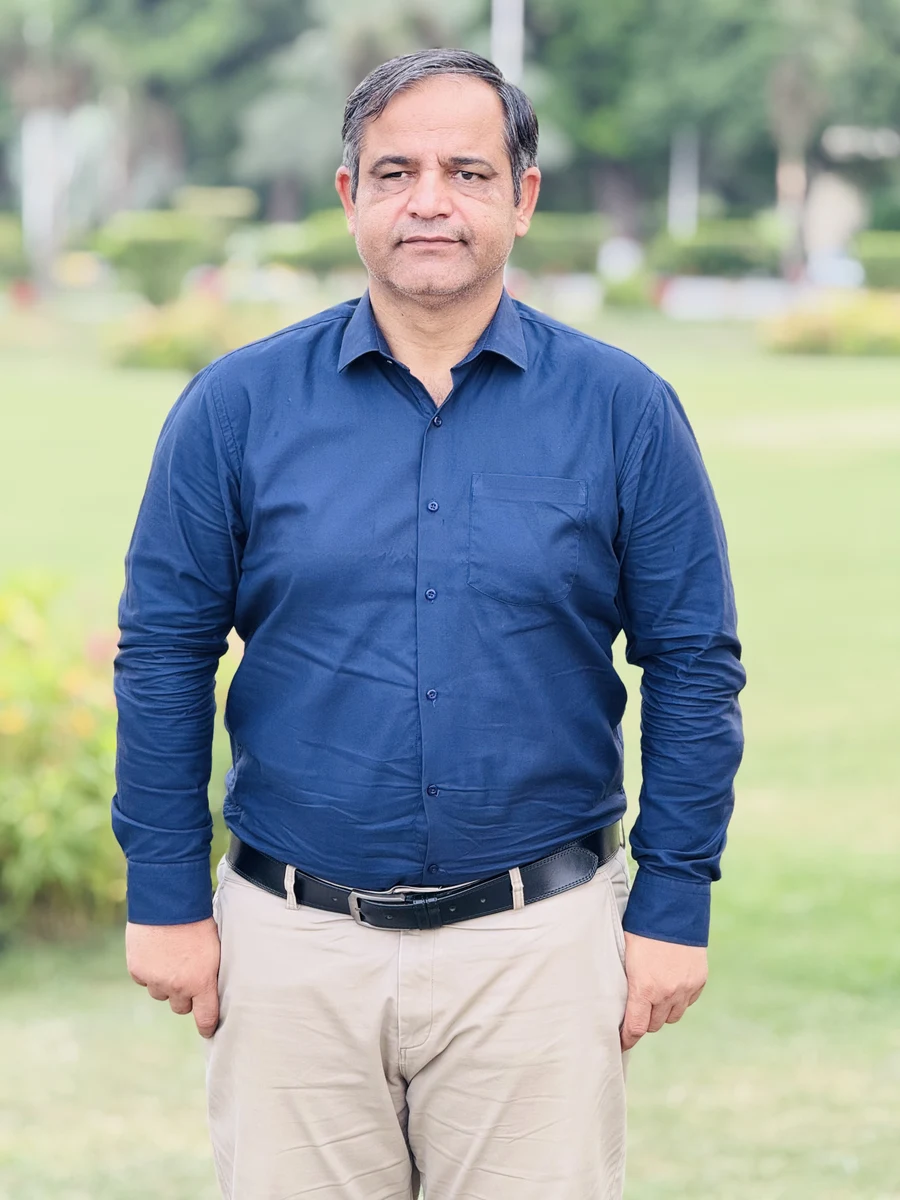
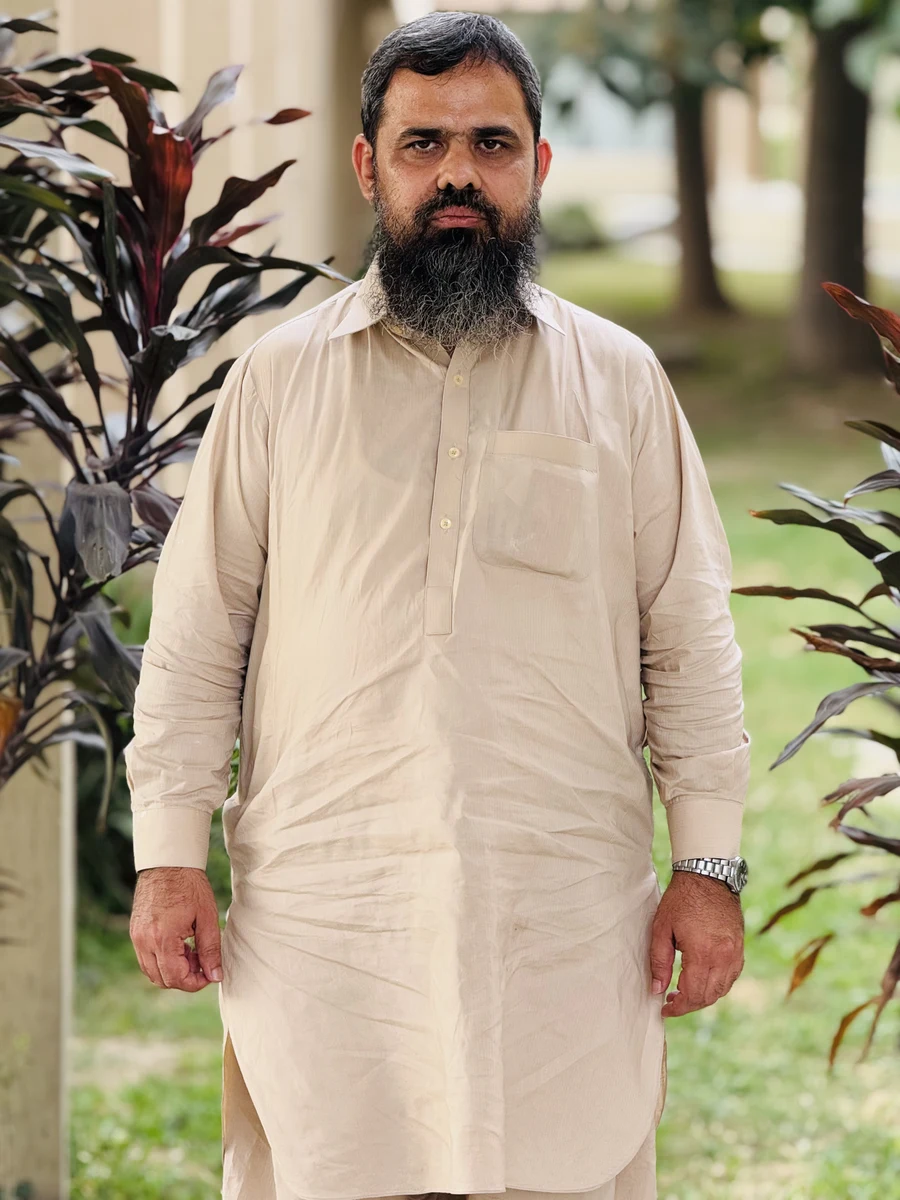
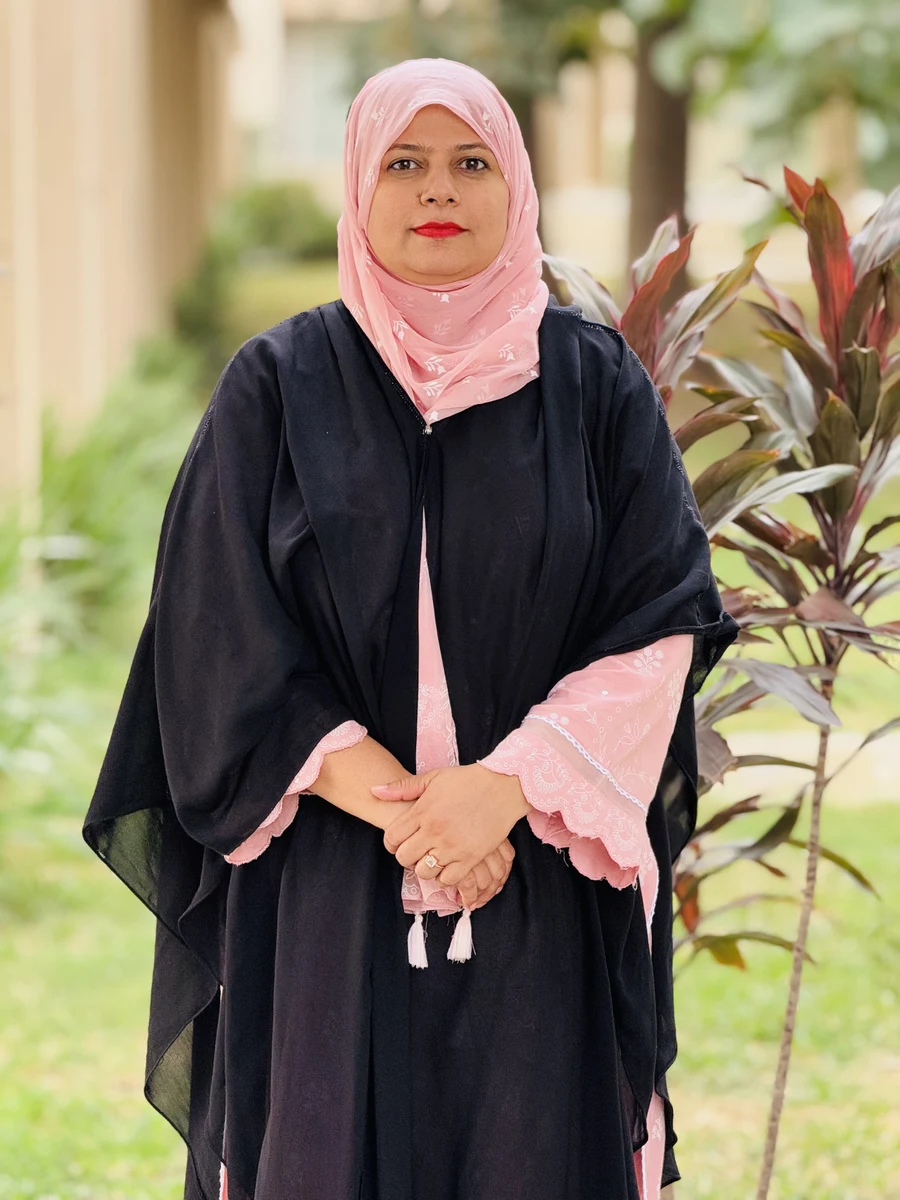
Faculty leading the programme.
Expertise across plant transformation, genome editing, crop protection, molecular breeding and regulatory science.


Research students
The questions shaping tomorrow’s crops.
7 PhD scholars6 MPhil scholars
PhD research scholars 7

Noman Nazik
Development of resistant tomato lines against Tomato brown rugose fruit virus (ToBRFV) through genome editing

Amina Amin
Expression of hybrid Bt SN-19 gene and dsRNA-Sec-23 in tomato against lepidopterans
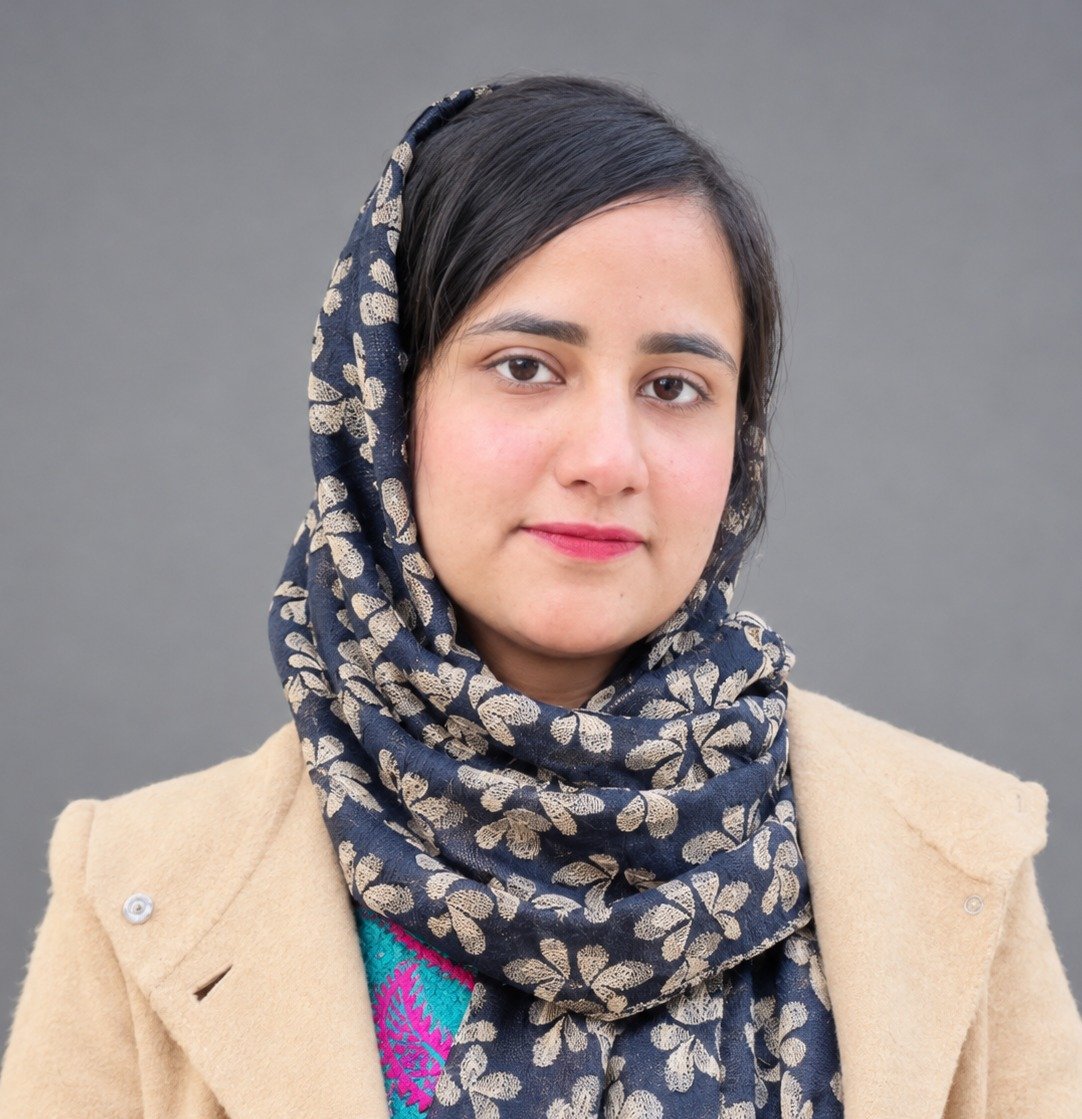
Muniba Shahid
dsRNA-based control of cotton bollworms

Misbah Saleem
Deciphering molecular mechanisms underlying gossypol-mediated whitefly tolerance in cotton plants

Jawad-ul-Hassan
Development of zinc-biofortified potato lines via integrated breeding

Baraka Siddique
Integrated management of fruit flies in peach orchards using RNAi-mediated gene silencing and biocontrol agents

Amna Amjad
Using CRISPR-Cas systems to develop stress-resilient maize lines
MPhil research scholars 6

Zain Ahmed Khan
Development of multi-herbicide-tolerant soybean to enable diversified weed management

Laiba Nezami
Targeting the cell-wall degradation machinery of Phytophthora infestans using in-vitro-synthesised dsRNA for sustainable management of potato late blight
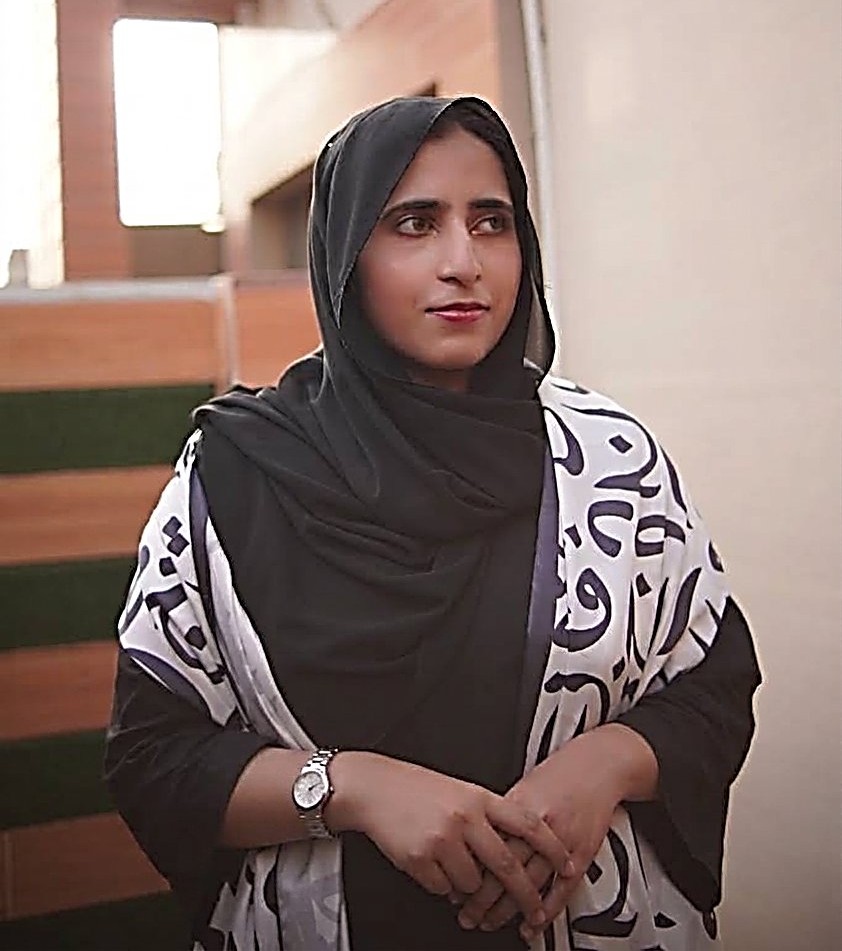
Tehreem Irfan
CRISPR/Cas9-mediated editing of the soybean eIF4E gene for resistance to Soybean mosaic virus
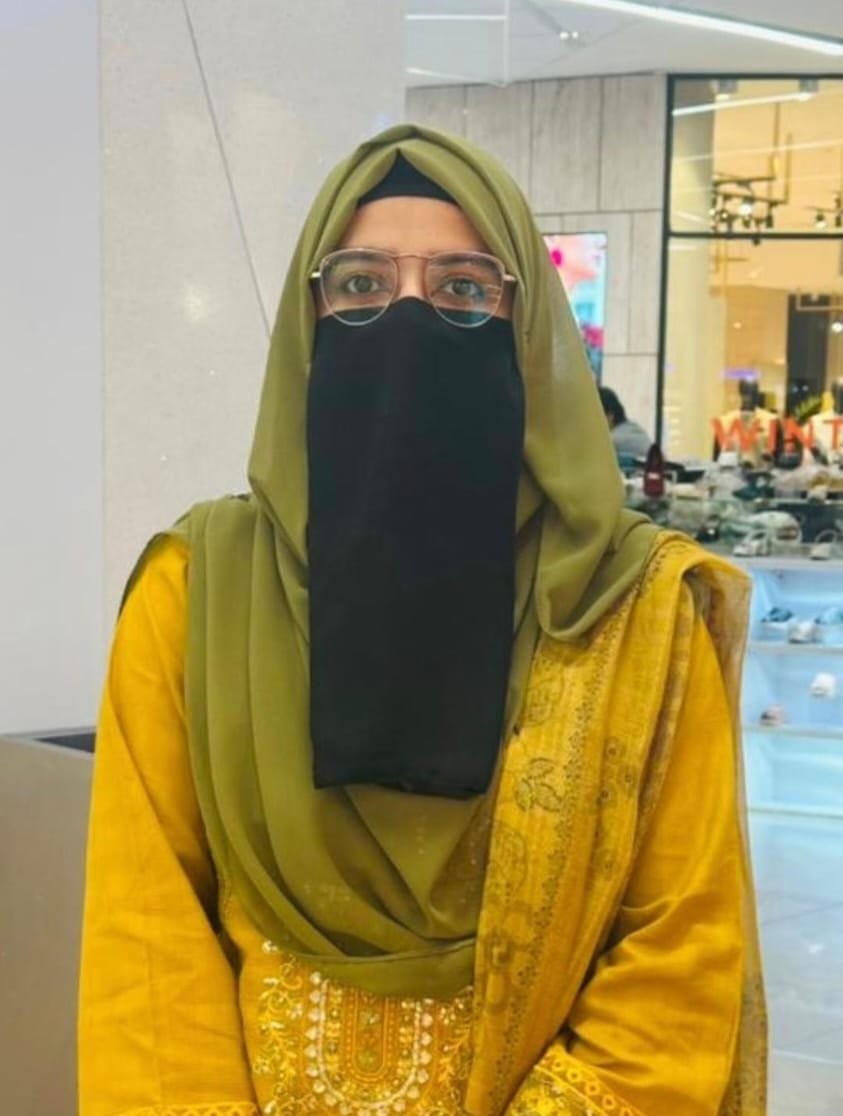
Kainat Sajid
Production of chitosan nanoparticle-coated dsRNA targeting chitin synthase in thrips and whiteflies

Samia Sarwar
CRISPR-mediated knockout of ZmHSBP2 and heat-inducible overexpression of HOP3 to enhance thermotolerance in maize

Ayesha Munir
Spatiotemporal expression profiling of stacked insecticidal and herbicide-tolerance transgenes in five-gene cotton lines
Research funding
A sustained pipeline of applied innovation.
Competitive public funding and industry partnerships support projects from prototype development through commercial translation.
Active projects
Completed projects
Collaborate with the lab