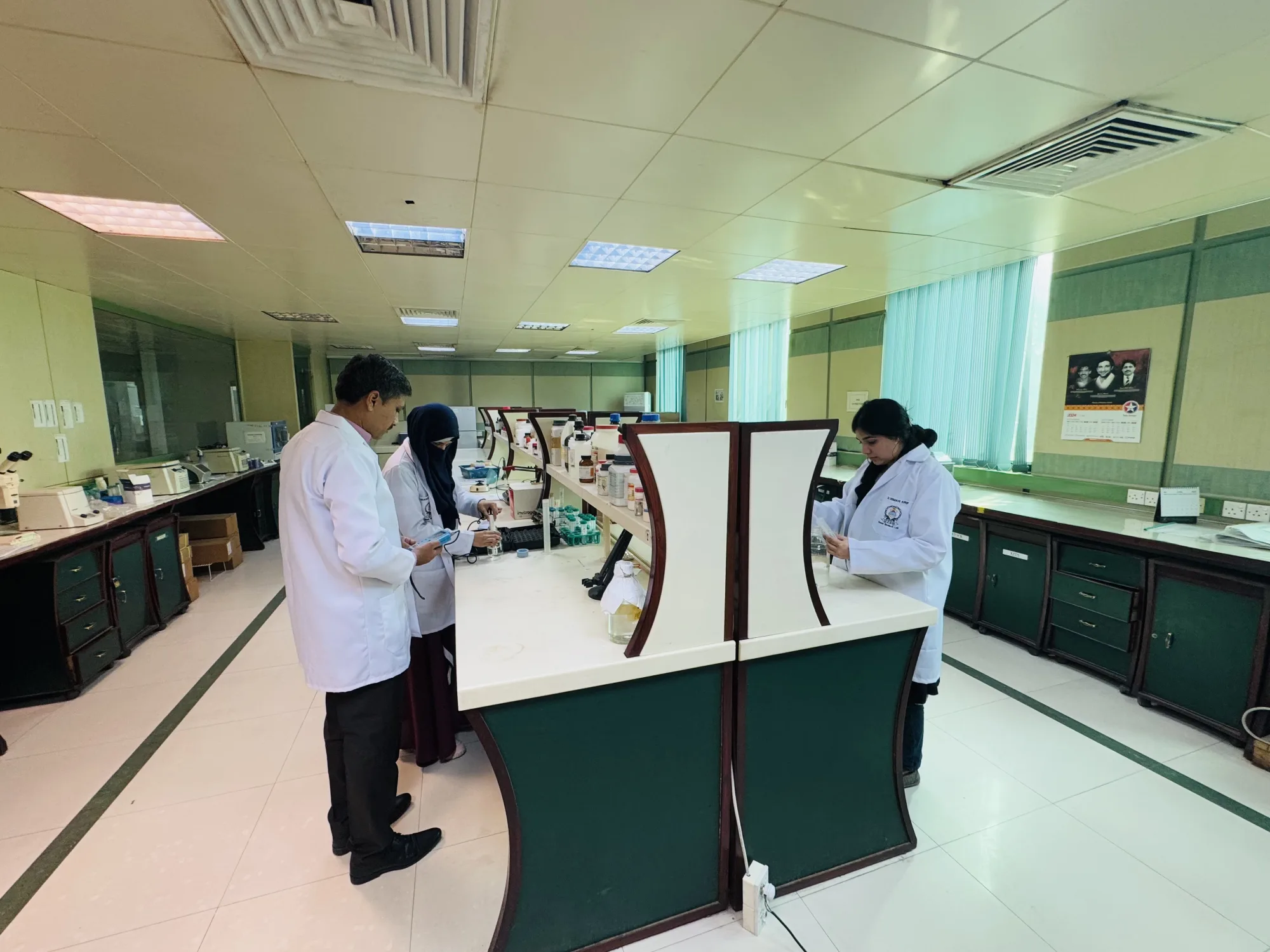
CEMB scientists collaborating around a laboratory bench

Faculty network

Adjunct Faculty

Distinguished scientists at partner institutions in Pakistan and abroad who hold adjunct appointments with CEMB.

Dr. Kauser Abdulla Malik

Dr. Kauser Abdulla MalikT.I, S.I, H.I

Senior Advisor & Distinguished Adjunct Professor, CEMB President, Pakistan Academy of Sciences

A Distinguished National Professor of Biotechnology, Dr. Malik earned his PhD in Microbiology from Aston University, UK, and began his research career at the Nuclear Institute for Agriculture and Biology. He is the founding Director General of the National Institute for Biotechnology and Genetic Engineering (NIBGE), where he helped build Pakistan's biotechnology research and training capacity, and he also leads the Biotechnology Program at Forman Christian College University (FCCU), Lahore.

His national leadership roles have included Chairman of the Pakistan Agricultural Research Council, membership (Biosciences & Administration) of the Pakistan Atomic Energy Commission and the Planning Commission of Pakistan, and Secretary of the National Commission on Biotechnology and Vice President of the Pakistan Academy of Sciences. He is a Fellow of the Pakistan Academy of Sciences and one of the scientists appointed to the Pakistan Council for Science and Technology, and currently serves as President of the Pakistan Academy of Sciences.

His honours include the Tamgha-e-Imtiaz (1988), the Sitara-i-Imtiaz (1998) and the Hilal-i-Imtiaz (2004) from the Government of Pakistan, a Pakistan Academy of Sciences Gold Medal (1993), the ISESCO Prize in Biology (1997), the Distinguished National Professor Award from the Higher Education Commission (2005), and — most recently — the "Zero Hunger Champion Award 2025", presented on 3 December 2025 at the "Strike HungerCon 2025" conference in Dubai, UAE.

Also profiled as a member of CEMB's Advisory Board

Prof. Dr. Abdul Rauf Shakoori

Prof. Dr. Abdul Rauf ShakooriT.I.

Distinguished Adjunct Faculty Member, CEMB Professor Emeritus, School of Biological Sciences, University of the Punjab

A Distinguished National Professor and former Director of the School of Biological Sciences at the University of the Punjab, Prof. Shakoori helped establish the university's Department of Microbiology & Molecular Genetics and its Centre for Advanced Molecular Biology. He has held Fulbright, DAAD and Royal Society fellowships and has been a visiting professor at institutions including the University of Massachusetts Medical School, the University of Marburg, King's College London, the University of Essex, LUMS and King Saud University.

With more than 660 research publications, 86 PhD scholars supervised and 19 authored books, he is among Pakistan's most prolific scientists — recognised with the ECO Science & Technology Award (2012), fellowships of the Pakistan Academy of Sciences, The World Academy of Sciences (TWAS) and the Islamic World Academy of Sciences, an Academician appointment at the Shandong Academy of Agricultural Sciences, and honours including Aizaz-i-Kamal, Tamgha-i-Imtiaz, Distinguished Scientist of the Year, Zoologist of the Year and Scientist of the Year awards. He has also served as President of the Zoological Society of Pakistan.

His current research spans epigenetic markers for breast cancer and adhesion proteins in metastasis, the osteogenic potential of Cissus quadrangularis, the molecular identification and phylogeny of Paramecium species, metallothionein characterisation in ciliates for bioremediation, heavy-metal-resistant operons in Klebsiella pneumoniae, and engineering Bacillus thuringiensis cry proteins for improved insecticidal activity.

Prof. Dr. Shahid Mahmood Baig

Prof. Dr. Shahid Mahmood BaigH.I, S.I, FPAS

Distinguished Adjunct Faculty Member, CEMB Professor & Dean of Life Sciences, Health Services Academy, Islamabad

Dr. Baig, from Rawalpindi, earned his BSc at Gordon College and his MSc and MPhil at Quaid-i-Azam University, Islamabad. He began his career as a Research Scholar at the Nuclear Medicine, Oncology and Radiotherapy Institute (NORI-PAEC) in 1986, and in 1996 completed a PhD on the prenatal diagnosis of beta-thalassaemia through a joint programme between Boğaziçi University, Istanbul, and Quaid-i-Azam University. He spent 1995–2020 at NIBGE, Faisalabad, rising to professor and head of Human Molecular Genetics, with postdoctoral experience at Duke University Medical Center and King Saud University.

He chaired the Pakistan Science Foundation from December 2020 to late 2023, and briefly served as Director General of the National Institute of Electronics in 2023, before taking up his current role as Dean of Life Sciences at the Health Services Academy. His research identifies disease genes underlying inherited conditions in the Pakistani population, supporting genetic diagnosis and counselling.

Also profiled as a member of CEMB's Advisory Board
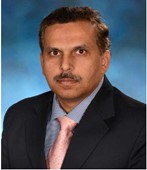
Dr. Saima Riazuddin

Dr. Saima Riazuddin

Adjunct Faculty, CEMB School of Medicine, University of Maryland, USA

Dr. Riazuddin studies the molecular and genetic basis of hearing loss and Usher syndrome (deaf-blindness) using human and mouse genetics. Her group collects large families segregating inherited deafness, analyses their pedigrees through linkage and other genetic approaches to identify genes essential to the hearing process, and develops and evaluates mutant mouse models to understand how those genes function.

Her research programme is organised around four broad questions: the precise mechanisms behind different forms of hearing dysfunction; the genetic factors that determine hearing sensitivity; how disease-causing mutations affect the structure and function of the ear and eye; and which molecules or genetic factors can worsen or lessen the effects of those disease-causing genes. Functional analysis of newly identified deafness- and deaf-blindness-associated genes is intended to inform the rational design of therapies for hearing loss and blindness.

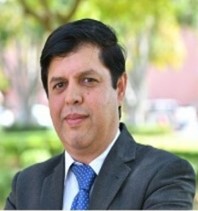
Zubair M. Ahmed, PhD

Zubair M. Ahmed, PhD

Adjunct Faculty, CEMB School of Medicine, University of Maryland, USA

Dr. Ahmed's long-term goal is to understand how the retinal and inner-ear sensory epithelia develop and function, studying inherited human disorders of the retina and inner ear such as Usher syndrome (USH) and oculocutaneous albinism (OCA) at the molecular level and in animal models, in order to develop new strategies to prevent and treat these neurosensory disorders.

His research asks four broad questions: the precise mechanisms behind different forms of hearing and vision dysfunction; the genetic factors that determine light sensitivity; how disease-causing mutations affect the structure and function of the ear, eye and skin; and which molecules or genetic factors can worsen or lessen those effects. His lab collects families segregating inherited USH and OCA, and has developed mutant mouse and zebrafish models to evaluate the function of newly identified proteins — work intended to inform the rational design of potential therapies for deaf-blindness and OCA.

Dr. Afsar Ali Mian

Dr. Afsar Ali Mian

Adjunct Faculty, CEMB Centre for Regenerative Medicine, The Aga Khan University, Karachi

Dr. Mian develops novel drugs and peptide therapies as targeted treatments for leukaemia, with a focus on treatment-resistant and refractory disease. His research contributed to the development of PF-114, a drug for resistant leukaemia currently in Phase III clinical trials.

At the Aga Khan University Centre for Regenerative Medicine, his current work focuses on cell- and peptide-based approaches for treating Philadelphia-chromosome-positive leukaemia, and on gene-editing therapies for beta-thalassaemia and sickle cell anaemia.

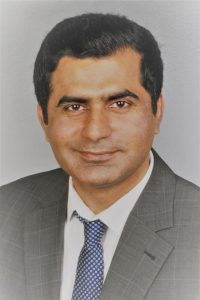
Dr. Khurrum Shahzad

Dr. Khurrum Shahzad

Adjunct Faculty, CEMB Institute of Clinical Chemistry, University Hospital Leipzig, Germany

Dr. Shahzad researches cardiovascular disease (CVD) — including atherosclerosis, peripheral arterial disease, myocardial infarction and heart failure — noting that diabetic patients carry a greater CVD risk and that chronic kidney disease (CKD) is itself associated with a significantly increased risk of developing CVD. His work focuses on how loss of the coagulation regulators thrombomodulin and activated protein C, and thromboinflammation — the interplay between blood coagulation and inflammatory responses — repeatedly contribute to CVD and to CKD-induced CVD.

By clarifying these mechanisms, his research aims to identify potential therapeutic targets for preventing and treating cardiovascular disease.

Faculty directory

Meet CEMB’s current researchers.

View current faculty